The Whole Child Project

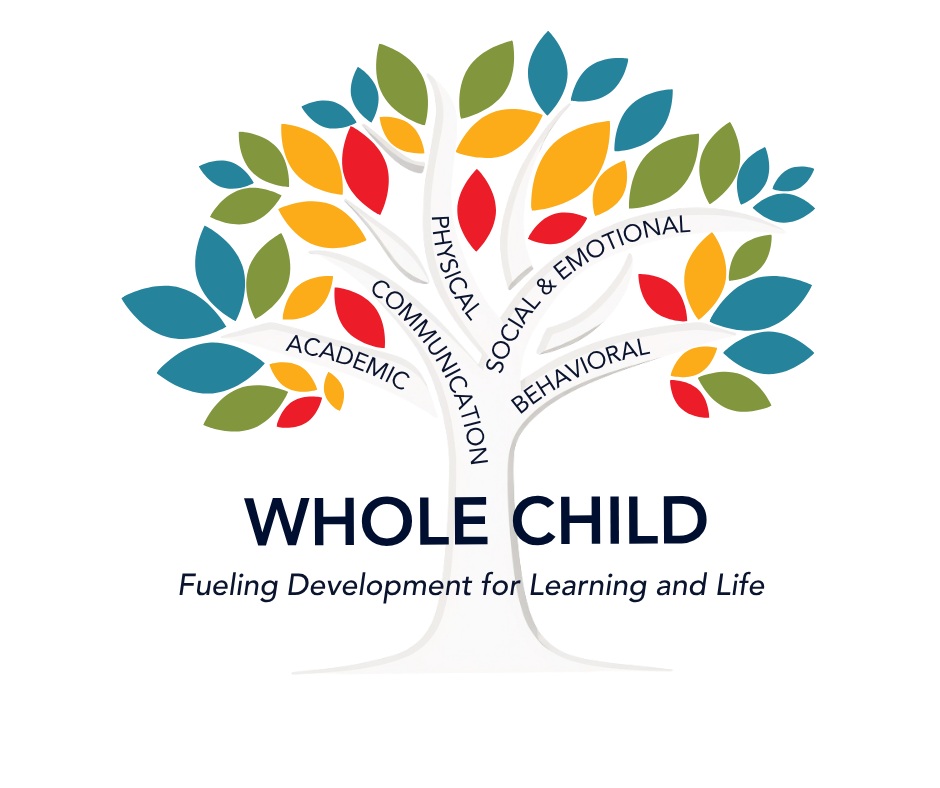
A colorful tree with 5 branches with words on each: academic, physical, social, emotional, behavioral. At the trunk of the tree there are blue silhouettes of five children. Then the words Whole Child, with Fueling Development for Learning and Life on the bottom.


Check out our WSCC Practice and Policy blueprints that guide practice and policy planning efforts around the Whole School, Whole Community, Whole Child (WSCC) Model. Our CSCH Brief explains the WSCC Practice and Policy Blueprints and gives tips for how to get started.
 

 Learn about our CT WSCC Partnership.

About the Whole Child Project

The Whole Child Project is designed to facilitate school efforts in integrating health and learning. Schools can enhance their support systems by incorporating the Whole School, Whole Community, Whole Child (WSCC) model in decision-making across academic, social, emotional, behavioral, and physical domains of functioning. Project materials guide work in coordination of policies, processes, and practices relevant to school and child well-being.

The WSCC model includes 10 domains that work together in facilitating whole child well-being. Read our domain definitions.

WellSAT WSCC Policy wordmark on top; WellSAT WSCC in Practice wordmark at bottom.

Assessment

Our tools to assess Whole Child policies and practices

Learn More

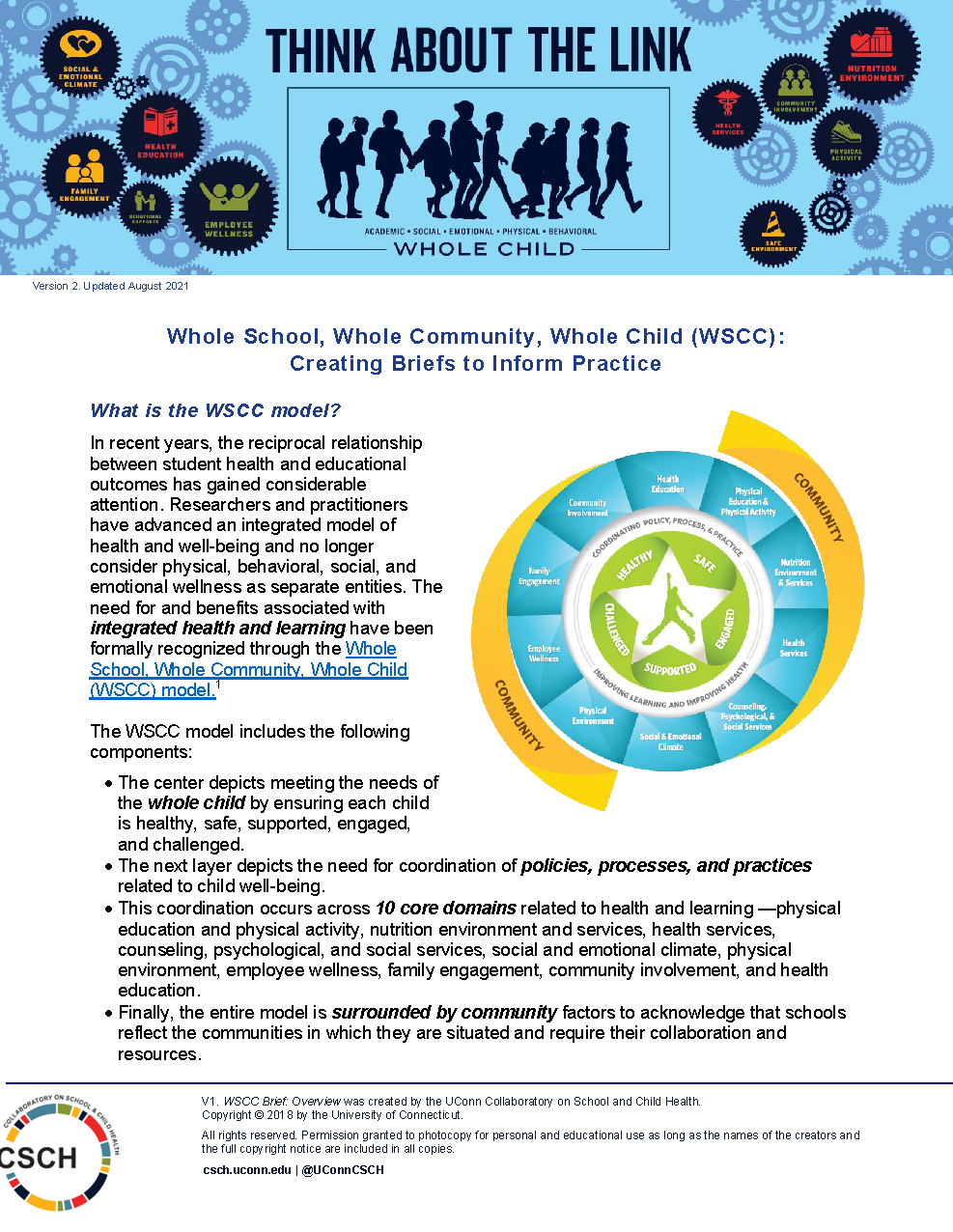
Cover page of Overview Brief

Best Practices

Our webinars and practice briefs outline evidence-informed Whole Child practices

Learn More

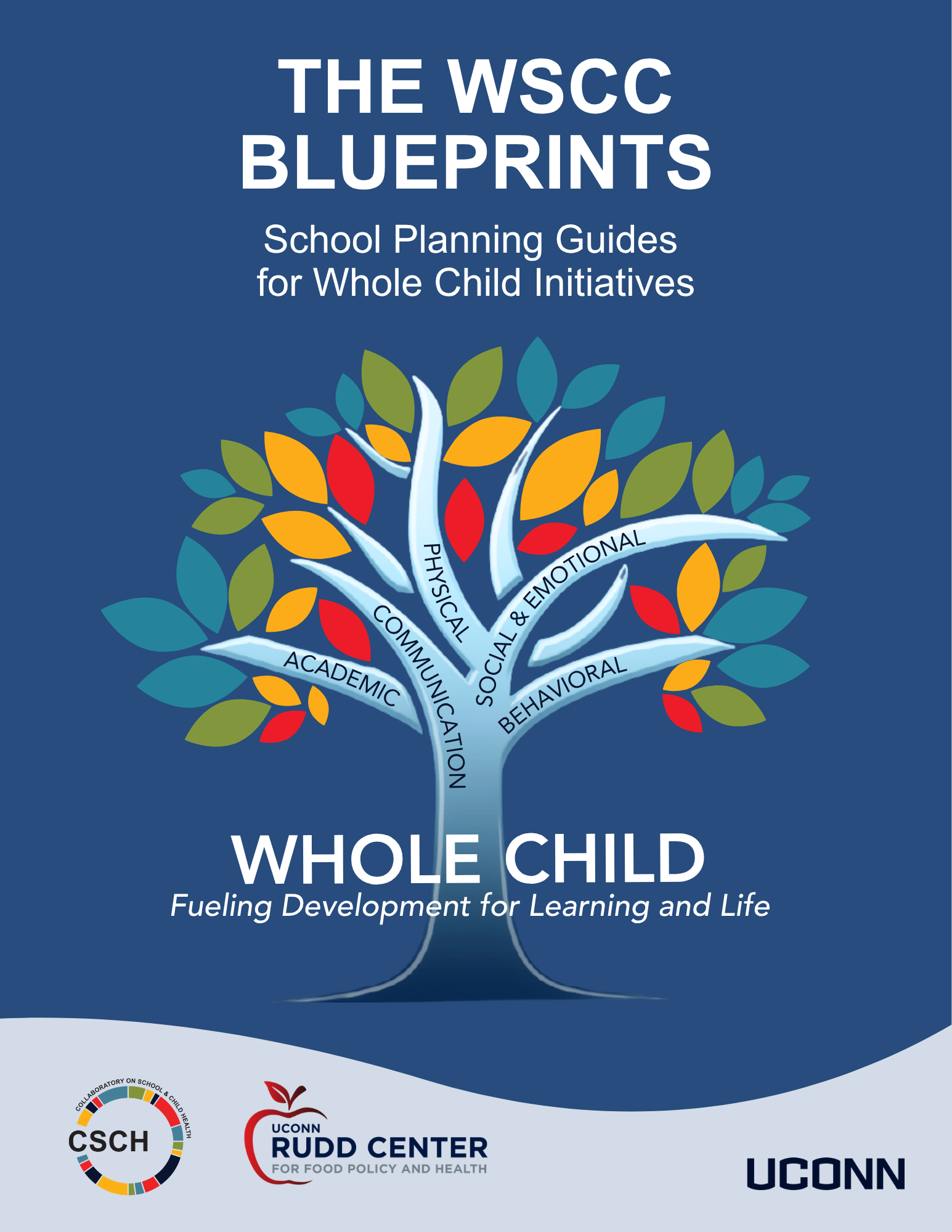
A blue background, Words The WSCC Blueprints School Planning Guides for Whole Child Initiatives A colorful tree with 5 branches with words on each: academic, physical, social, emotional, behavioral. At the trunk of the tree there are blue silhouettes of five children. Then words (Version 2 - 2026); CSCH Logo, UConn Rudd Center for Food Policy and Health and UConn Wordmark at bottom

Strategic Planning

Our WSCC Blueprints guide action planning around Whole Child policies and practices

Learn More

The project represents CSCH partnerships with colleagues from the Rudd Center for Food Policy and Obesity, New Haven Public Schools and the Connecticut State Department of Education and is funded through the UConn OVPR’s Research Excellence Program, the Neag Foundation and individual donors.