Background
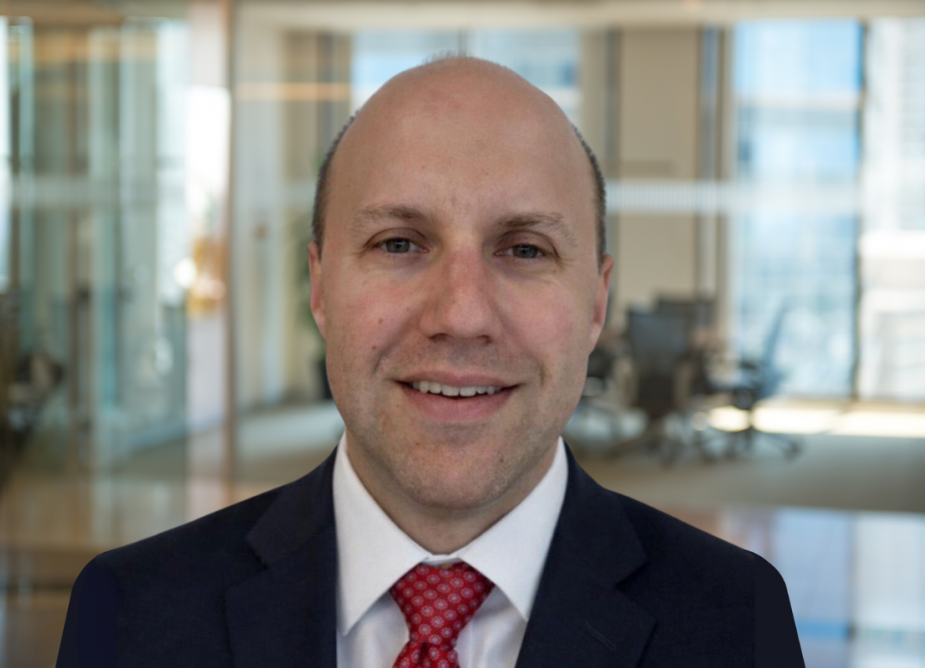
Nicholas Gelbar, PhD, is an Associate Research Professor in the Educational Psychology department of the Neag School of Education at UConn. His research is centered on supporting autistic adolescents through developmental transitions, particularly the transition from the K-12 system to college. This involves examining autistic college students’ strengths, weaknesses, and challenges in order to better support them, and identifying supports that should be implemented during high school to better prepare autistic students for life after graduation.
Gelbar became interested in this work through a combination of teaching, clinical, and research experiences. He began his career as a high school social studies teacher and noticed that many of his students were struggling socially, emotionally, and with their mental health. This was before conversations around mental health became more accepted. “Watching students struggle firsthand made [me] want to better understand what was happening and how to help,” Gelbar says.
He went on to pursue a PhD in school psychology at UConn, with a focus on students with learning disabilities. For his internship, Gelbar worked at EASTCONN under the guidance of CSCH affiliate and steering committee member, Dr. Ravit Stein, working in specialized schools for children with developmental and behavioral challenges. This experience deepened his interest in autism since many of the students had a concurrent autism diagnosis. Once he completed his PhD, Gelbar conducted postdoctoral research on autism through a combination of working at the UConn School of Medicine’s Center for Excellence in Developmental Disabilities, teaching at the University of Saint Joseph, and providing both diagnostic and clinical services at the Hospital for Special Care’s Autism Center in Connecticut.
Through this combination of experiences, Gelbar grew interested in what happens after an autism diagnosis is given. He observed that many adolescents with autism struggled once they left the K-12 system, especially when transitioning to college, when they were not receiving the immense support that is offered in primary and secondary schools. Gelbar looks at these issues more closely in his Project 2e-ASD. The project focuses on twice-exceptional autistic high school and college students, who have both academic talents and neurodevelopmental differences. Gelbar and his team interviewed successful autistic college students at competitive universities and used their findings to design a summer program for autistic high school students to help better prepare them for college. In this program, autistic high school students are exposed to college coursework and receive mentorship and guidance on navigating post-secondary education.
Involvement with CSCH
Gelbar’s involvement with CSCH is rooted in his long-standing interest in promoting school mental health. “Ever since I was a teacher, I have always been interested in promoting positive mental health among students,” he says. He believes that schools play a critical role in teaching students how to process their emotions, learn healthy coping skills, and build resilience. The approaches used in schools are key to achieving these goals.
Gelbar was especially drawn to join the Collaboratory as an affiliate because of the whole-child approach. Taking a whole child approach is crucial, especially in his field when working with neurodivergent students who may be experiencing mental health challenges. “It’s not just about diagnoses or labels, but looking at the whole child by identifying their strengths as well as the areas they need support in,” Gelbar says.
Gelbar often utilizes a trauma-informed approach in his work, as it contributes towards understanding the whole child. “We should be taking knowledge about trauma and trauma responses in children and adolescents and using it to teach professionals how to interact with students who have experienced trauma,” says Gelbar.
Fun Facts
Gelbar is an avid DIY enthusiast. When he is not working, you’ll likely find him taking on some sort of DIY home improvement project. Some of his favorite DIY projects include painting, installing trim, and fixing things around the house.
Undergraduate Researcher Elena Roberts interviewed Nicholas Gelbar and wrote this profile.